
Keep them indoors as much as possible, and if they must go outside, provide a dry, draft-free shelter with bedding like straw. Protect their paws from ice melt and cold surfaces, ensure they have fresh water, and consider a higher-calorie food to help them generate warmth. Always monitor for signs of hypothermia or frostbite and never leave a pet alone in a car.
Indoor and General Precautions:
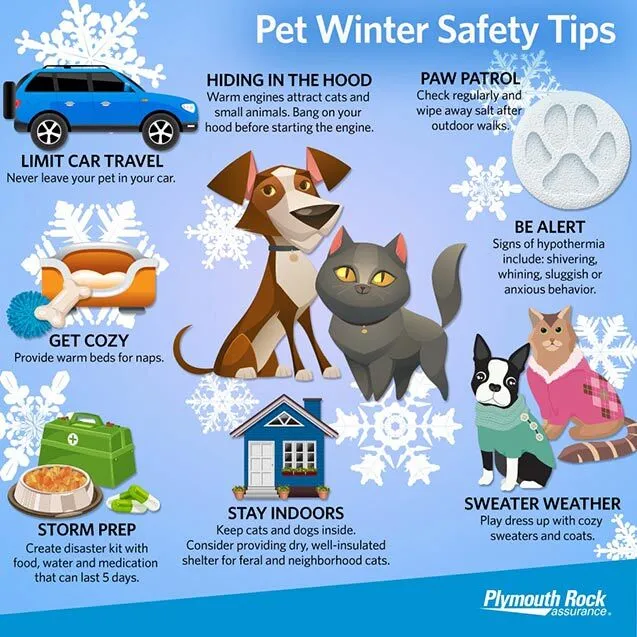
1.Keep pets inside: The safest place for pets during extreme cold is indoors. If they are outside, they are at risk of freezing, getting lost, or being injured.
2. Provide a warm sleeping area: Ensure your pet has a warm, dry bed or crate away from drafts.
3. Adjust food intake: A pet’s calorie needs may increase in the cold to maintain body heat, so consult your vet about increasing their food.
4. Provide fresh water: Make sure your pet has access to plenty of fresh, unfrozen water, even when it’s cold.
5. Don’t leave pets in cars: Cars can act as refrigerators, and temperatures can drop to dangerous levels, causing hypothermia.
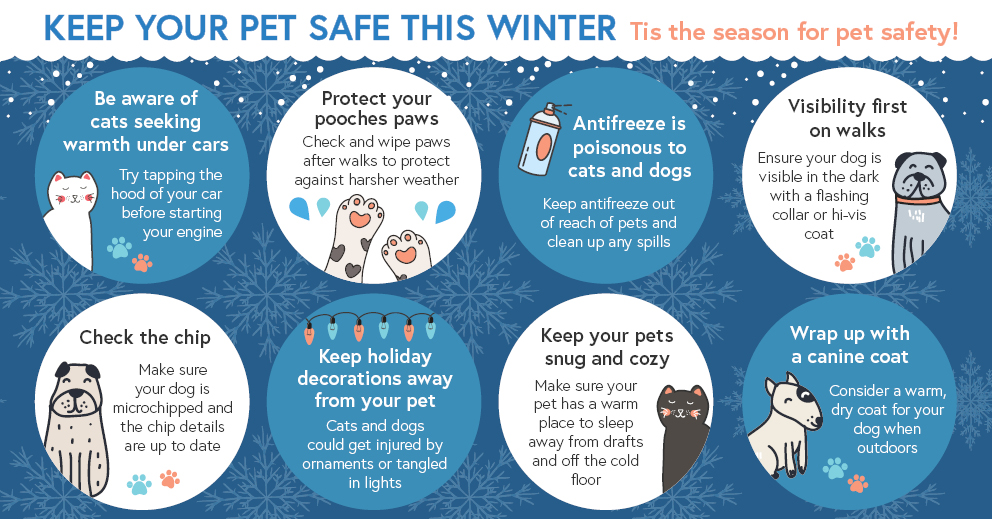
6.Check your vehicle: Before starting your car, bang on the hood to make sure a cat or other animal isn’t hiding underneath for warmth.
Outdoor and Shelter Precautions:
1. Limit outdoor time: Bring pets indoors when conditions are extreme.
2. Provide shelter: If your pet must be outside, they need a dry, draft-free shelter that is large enough for them to turn around in but small enough to retain body heat. The floor should be elevated off the ground, and the entrance should face away from the wind.
3. Use appropriate bedding: Use straw for bedding, as it insulates better than hay, newspaper, or cloth, which can hold moisture.
Health and Safety Precautions:
1. Protect paws: Keep paws dry and clean to protect them from ice, snow, and de-icing chemicals, which can burn or crack them.
2. Consider using pet booties or wipes to clean paws after walks.
3. Be aware of harmful chemicals: Keep antifreeze, de-icing salts, and other chemicals away from pets, as they are highly toxic.
4. Watch for signs of distress: Watch for signs of hypothermia or frostbite, such as shivering, anxiety, whining, slowing down, or holding up a paw.
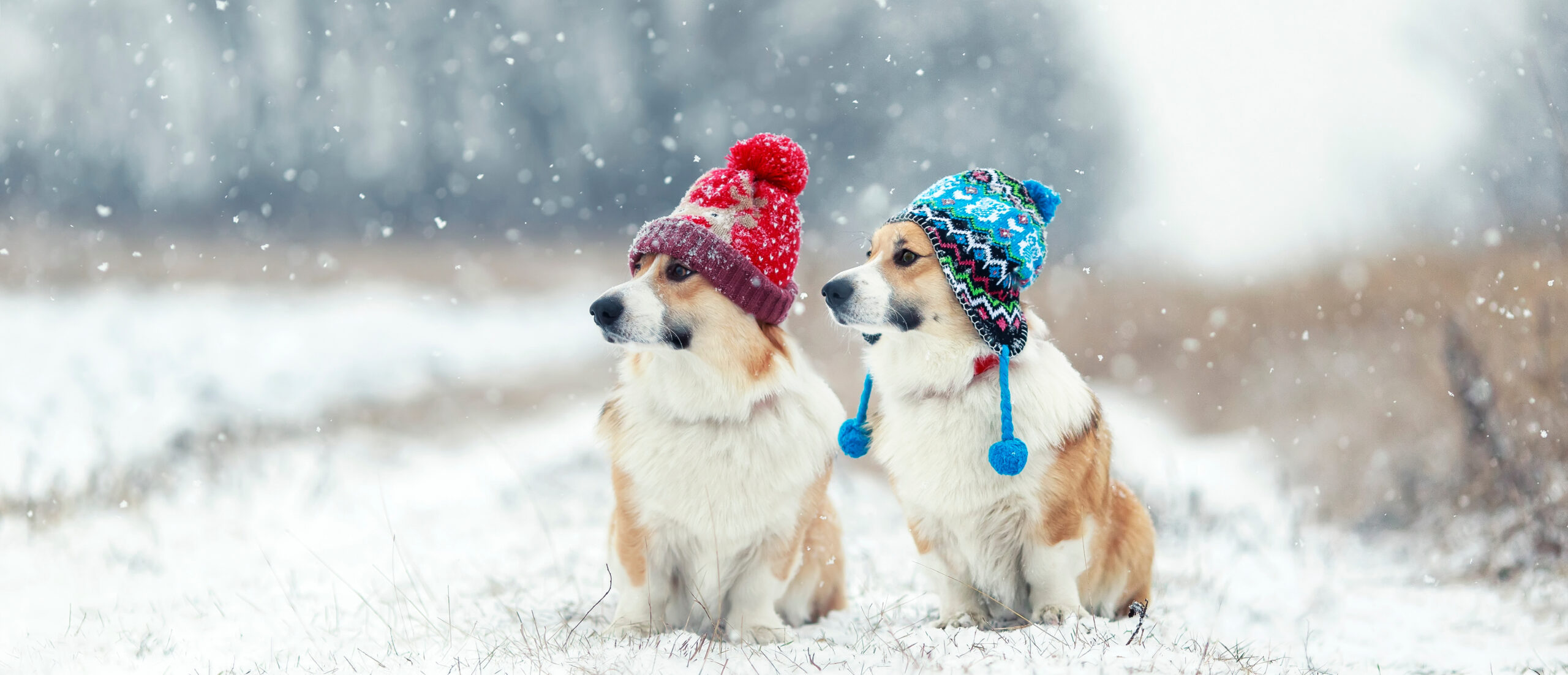
5. Dress your pet: For short-haired pets, consider a sweater or coat for added warmth.
6. Keep them visible: Use reflective collars or gear when walking to improve visibility in dim winter conditions.
Just some friendly suggestions to help keep you furry loved ones safe this winter!