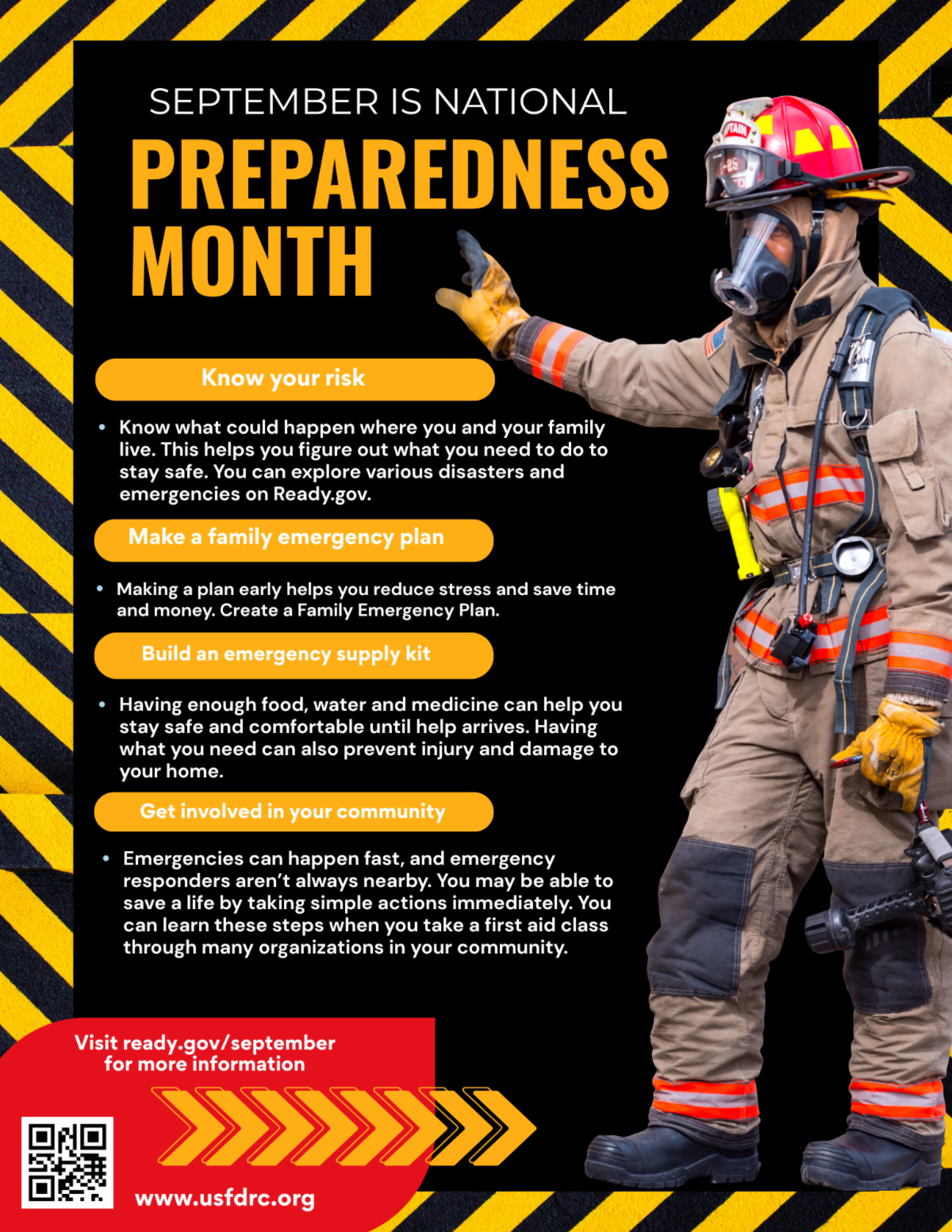
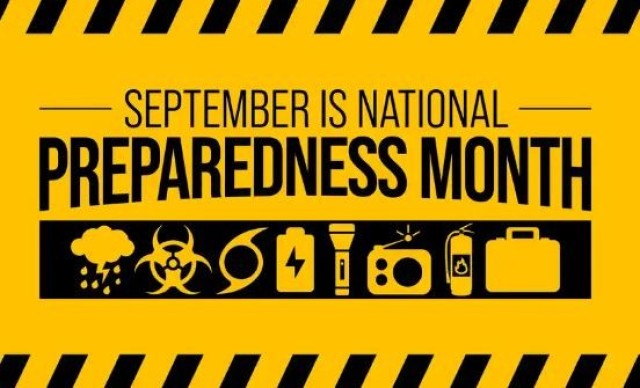
Every September, National Preparedness Month encourages us to take steps to be ready for disasters and emergencies. This year we are focused on how “Americans Stand Ready.” Our theme reflects the spirit of unity, resilience and resourcefulness that makes our country strong. It’s a reminder that taking proactive steps before a disaster strikes and encouraging loved ones to do the same can contribute to the safety and security of the entire nation.
When you’re prepared, you help first responders focus on those who need help most. Emergencies can happen anywhere, at any time, and being ready is a way to support your community and your country.
We encourage everyone to celebrate National Preparedness Month this September by visiting Ready.gov/Stand-Ready for updated resources and to learn easy ways to get prepared.
Graphic

3 Actions You Can Take to Stand Ready
Do you know where to get reliable emergency information? Does everyone in your household know where to go and what to do if something happens? Do you have what you need to keep your family safe and comfortable when an emergency strikes?
Consider taking three actions today to start your preparedness journey:
Be in the know. Make sure you know where to get information when you need it most. Check your state and local emergency management websites to sign up for newsletters and alerts and download the FEMA App to get emergency safety alerts and resources. You can learn more about alerts by visiting the Emergency Alerts webpage on Ready.gov.
Graphic

Make a plan. Did you know that you can start building a plan by answering a few questions? Talk with your family about how you’ll communicate, where you’ll meet and what you’ll do in different situations. Make sure they know how to stay safe and what to do if something goes wrong.
Graphic

Consider everyone’s needs when creating an emergency plan, including:
- Different ages of members within your household.
- Family members with disabilities.
- Ways to assist others.
- Locations frequented (work, school, etc.).
- Dietary needs.
- Medical needs; prescriptions and equipment.
- Pets and service animals.
Ready.gov has free resources you can use to create a downloadable family emergency plan that works for you. Once you complete your personalized plan, you can email it to yourself and share it with your loved ones.
Build a kit. We know how to keep our loved ones safe when things go wrong, but do you have what you need to stay safe and comfortable until help arrives? Having what you need can prevent injury, help you stay safe, comfortable and independent and prevent damage to your home.
Graphic

You may think building a well-stocked emergency kit is difficult or expensive, but it doesn’t need to be. You can gather supplies over time, starting with items you may already have at home like canned food and first aid supplies. Your kit should include the essentials you and your family might need, so you don’t need to scramble in an emergency.
It’s important to pack enough food, water and medicine for at least three days. Check with your local emergency management agency to find out if they have recommendations for your area.
Don’t forget items, such as:
- Flashlights and extra batteries.
- First aid kit.
- Local maps.
- Battery-powered or hand crank radio.
- NOAA Weather Radio with tone alert.
- Whistle to signal for help.
- Personal hygiene items.
- Dust mask (to help filter contaminated air).
- Plastic sheeting, scissors and duct tape (to shelter in place).
- Moist towelettes, garbage bags and plastic ties (for personal sanitation).
- Wrench or pliers (to turn off utilities).
- Manual can opener (for food).
Find a full list of recommended supplies at Build a Kit on Ready.gov.
Get Involved to Build a Stronger Community
Preparedness is a team effort. When we all take steps to prepare, our neighborhoods become safer and more resilient. Emergencies can happen fast, and emergency responders aren’t always nearby. You may be able to save a life by learning ways to quickly help in these types of situations. You can do this by taking a first aid class through non-profit organizations or local government groups.
Graphic

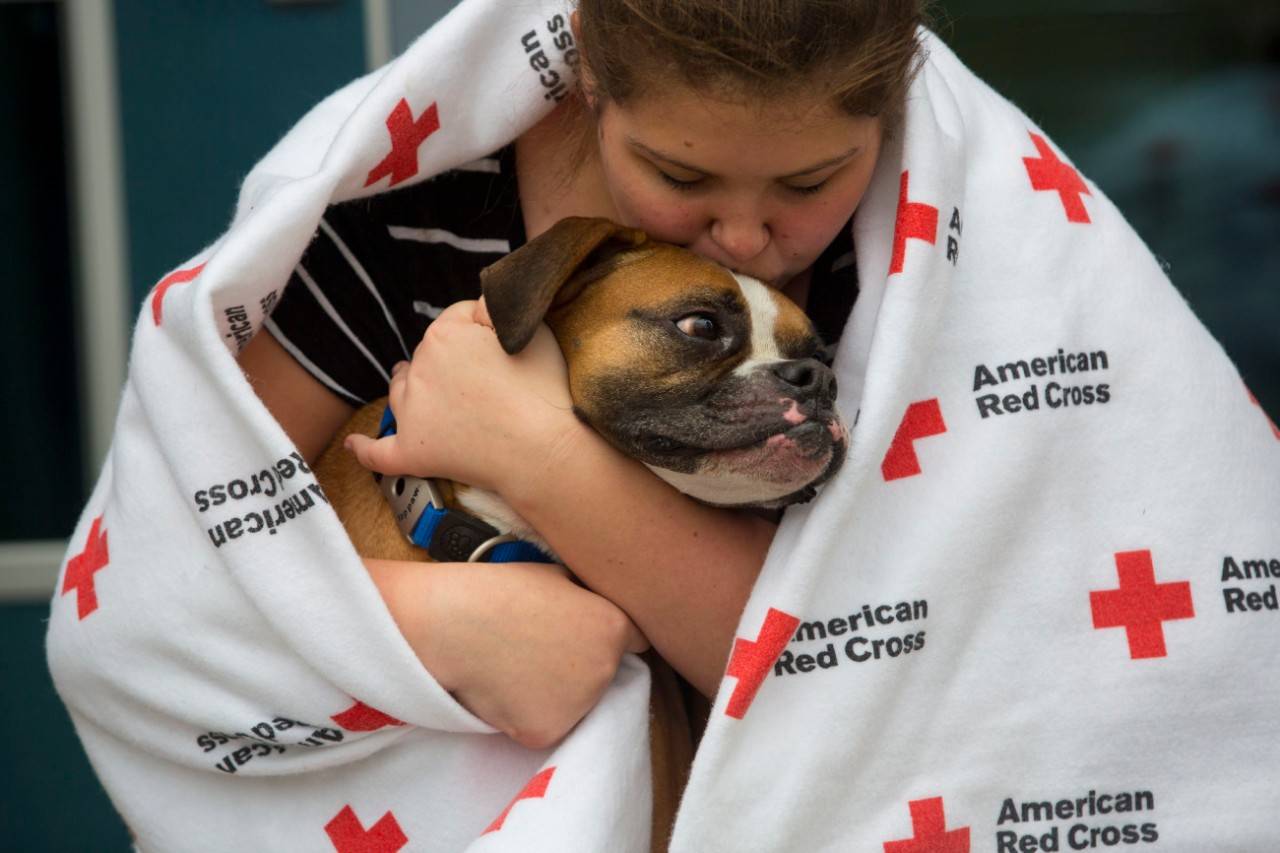
- Take a free online CPR course through the American Red Cross.
- Sign up for free online training through FEMA’s Emergency Management Institute.
- Find your community’s emergency management agency, and find out if they have a local Community Emergency Response Team (CERT). CERT teaches members of the public basic disaster response skills, which can help free up critical resources in an emergency or disaster.
When you take steps to prepare, you’re not just protecting yourself; you’re helping your loved ones, supporting your community and doing your part for our country.
For more tips and resources to help you get started, visit Ready.gov.