
The Aroostook County EMA wishes everyone a safe and enjoyable 4th of July. Stay Cool & Stay Hydrated, Stay Safe and have some fun during America’s 250th Anniversary!!!
Be Safe this year, around fireworks!
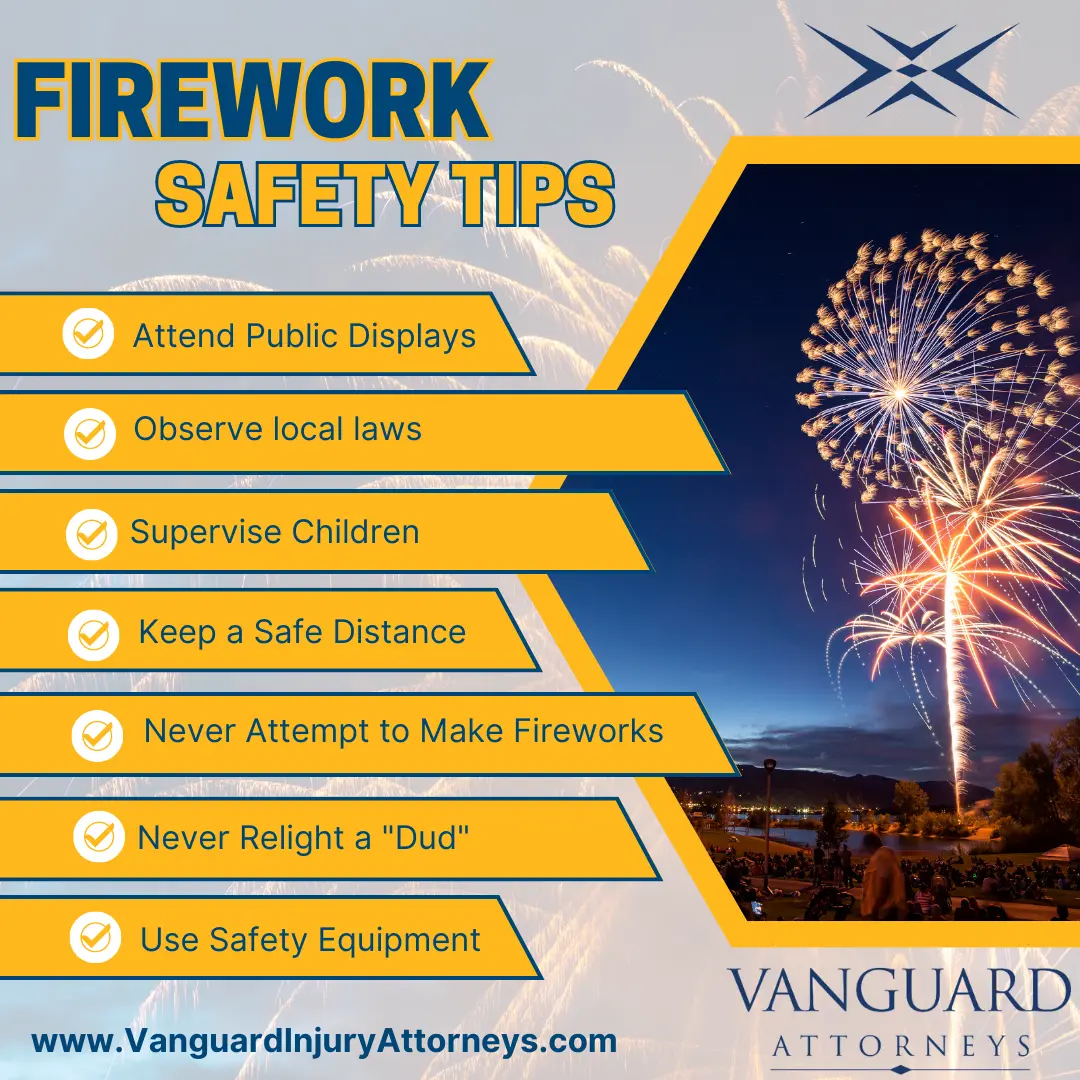
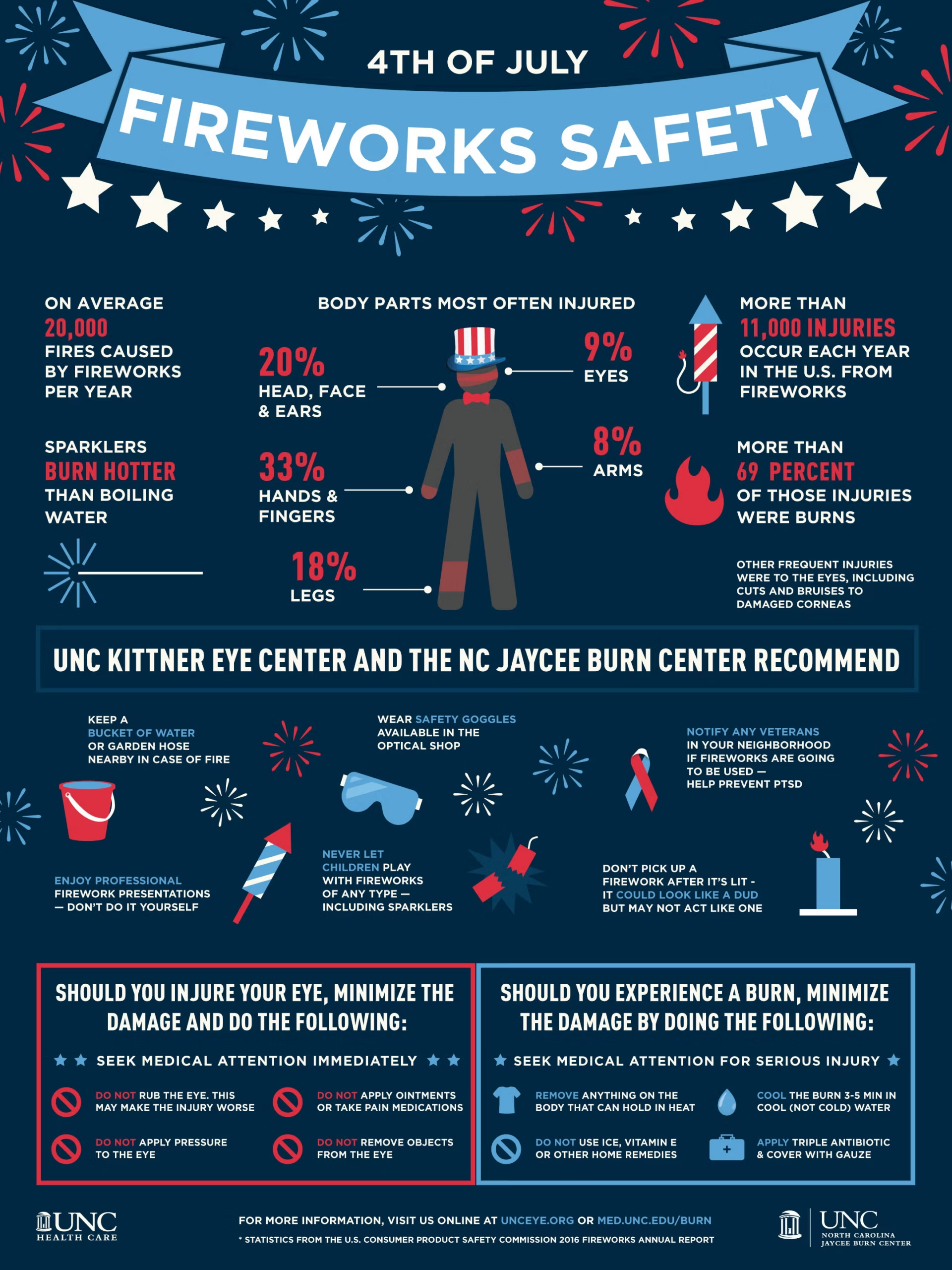
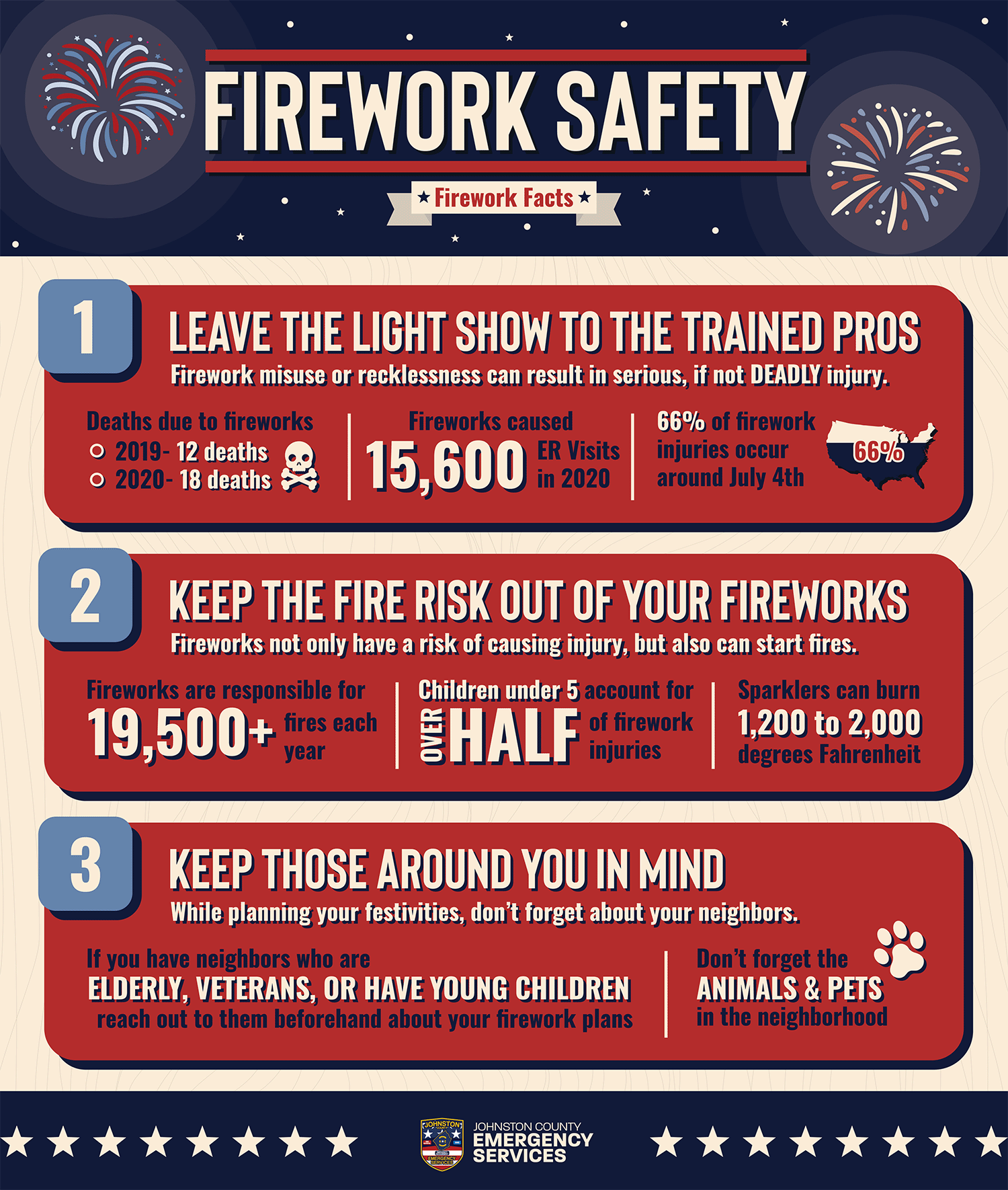
The safest way to enjoy fireworks is to attend public displays conducted by licensed professionals. If using consumer fireworks at home, always keep a bucket of water nearby, never allow children to handle sparklers, keep spectators a safe distance away, and never attempt to relight a dud.
Key Safety Practices
Lighting and Handling
• Keep water handy: Always have a bucket of water or garden hose nearby in case of a fire.
• Never hold fireworks: Do not hold lit fireworks in your hands or wear them on your body. Light them on the ground in an open space away from dry grass, brush, and structures.
• One at a time: Light only one device at a time and move back quickly to a safe distance.
• Never relight duds: If fireworks fail to ignite, do not try to relight it. Wait at least 20 minutes and soak it in water
The Danger of Sparklers
Many people assume sparklers are safe for children, but they burn at extreme temperatures—often reaching 2,000°F (1,093°C)—hot enough to melt certain metals and cause severe burns in a fraction of a second. Children should never be allowed to handle or run with sparklers
Disposal and Environment
• Soak before discarding: Soak both spent and unexploded fireworks in a large bucket of water for a few hours (or overnight) before throwing them in the trash.
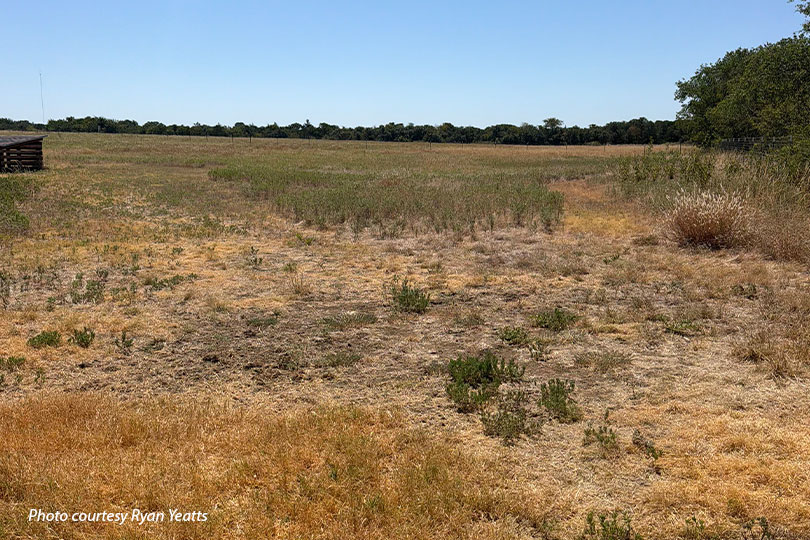
• Mind the conditions: Avoid using fireworks during hot, dry, or windy conditions that could easily spread wildfire.
• Check local laws: Always verify local ordinances and burn bans before purchasing or setting off fireworks.
Additional Resources
For comprehensive details, review official safety guidance from authorized organizations:
• Consult the National Safety Council Fireworks Safety Tips for best practices if you choose to use consumer fireworks.
• Read the U.S. Consumer Product Safety Commission to understand statistics and basic educational info.
• Review the Prince William County Fire Marshal’s Guidelines for clear rules on safe perimeters and dousing.