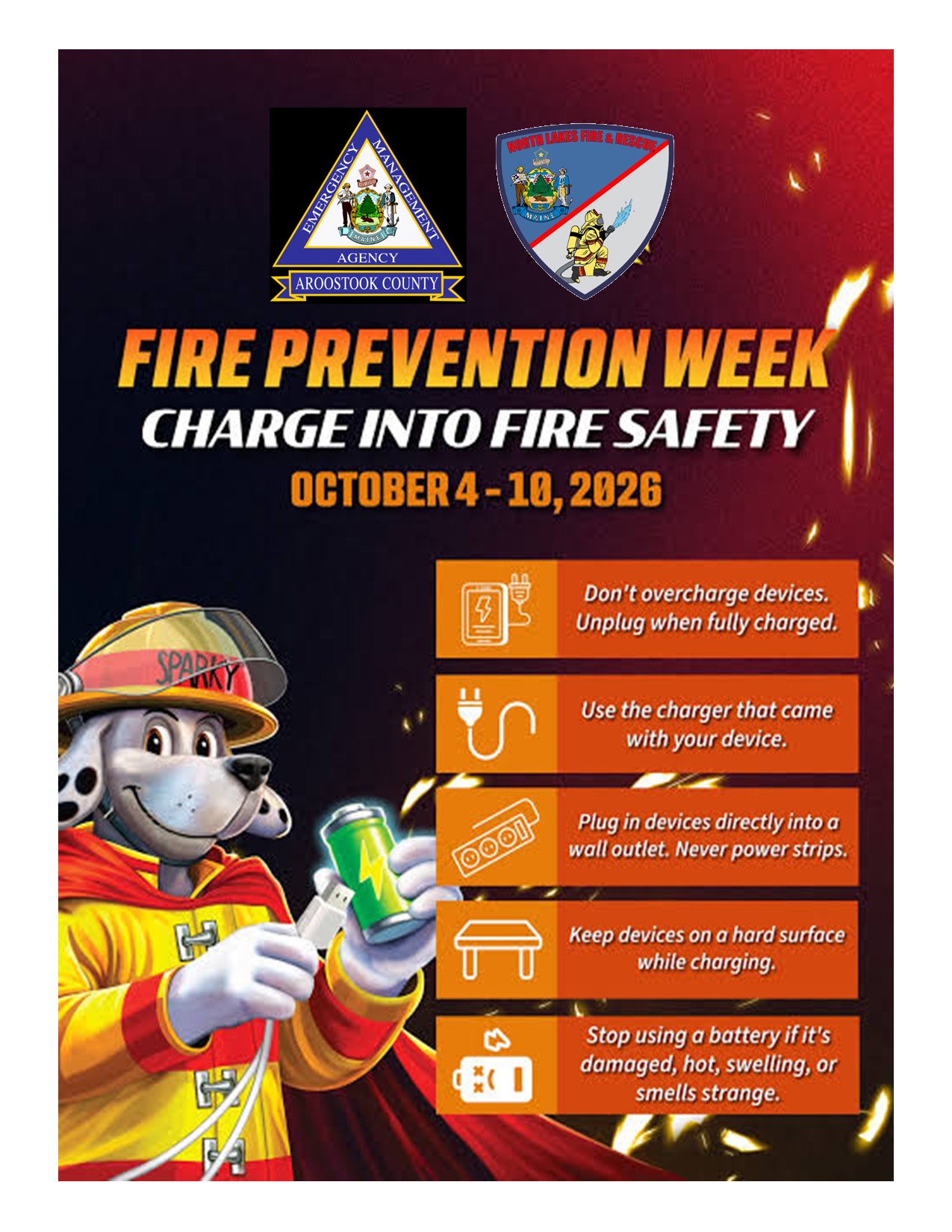
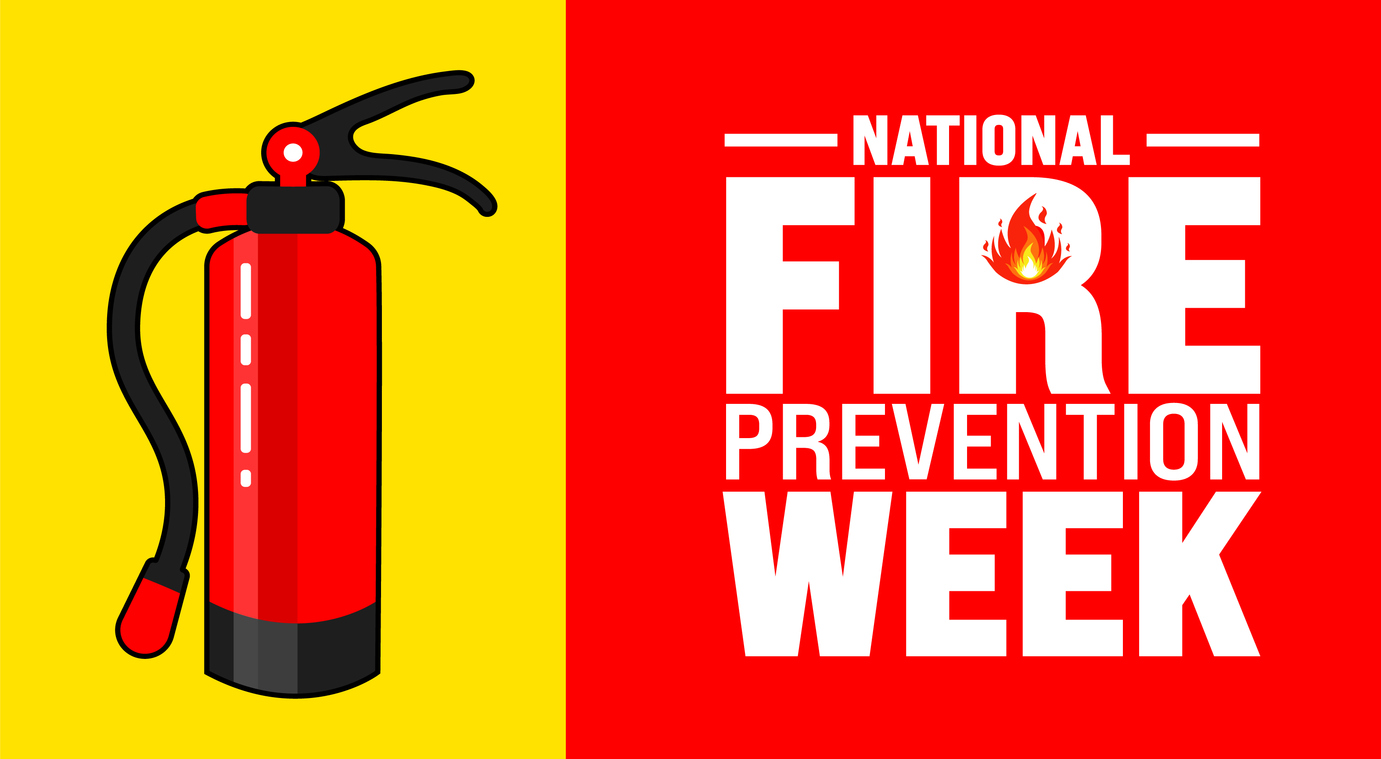
Fire Prevention Week runs from October 4 through October 10, 2026. Sponsored internationally by the National Fire Protection Association (NFPA), this annual public health observance focuses heavily on community education to mitigate household hazards and prevent catastrophic home fires. [1, 2, 3, 4, 5]
The official campaign theme for this year is “Charge into Fire Safety: Safe Charging Is a Superpower.”. It highlights everyday charging habits meant to reduce the severe risks associated with rechargeable lithium-ion batteries, which are found inside common devices like smartphones, tablets, laptops, e-bikes, and power tools. [1, 2, 3, 4]
The NFPA emphasizes several key battery safety habits: [1]
- Use approved equipment: Stick to the original cord and charger that came with your device, or purchase manufacturer-approved replacements. [1, 2]
- Avoid soft surfaces: Never charge devices on beds, couches, or pillows. Always charge on hard, flat surfaces like a desk or a bare floor so heat can dissipate. [1]
- Unplug when done: Disconnect your device once it reaches a full charge. [1, 2]
- Charge large items safely: Charge e-bikes, scooters, and power tools outside if possible, and ensure they never block your home exits. [1]
- Watch for warning signs: Immediately stop using a battery or device if it feels excessively hot, swells, leaks, smokes, smells strange, or makes unusual popping sounds. [1]
In addition to battery safety, major humanitarian organizations like the American Red Cross and local fire departments advocate for essential year-round preventative protocols: [1, 2]
Smoke Alarms & Detection [1, 2]
- Test smoke alarms monthly and replace batteries regularly.
- Completely replace any smoke alarms that are 10 years old or older.
- Teach children what the alarms sound like and exactly how to respond. [1, 2]
Kitchen & Cooking Safety [1]
- Never leave cooking food unattended; turn off burners before stepping away.
- Keep loose clothing and flammable items (towels, mitts, packaging) away from heat sources.
- Establish a 3-foot safety zone around the stove to keep children at a distance. [1]
Escape Planning [1]
- Create a home fire escape plan and practice a two-minute drill.
- Ensure every member of the family knows two ways out of every room.
- Establish a designated, safe meeting place outside the home