Part 3:
Seal Doors and Windows
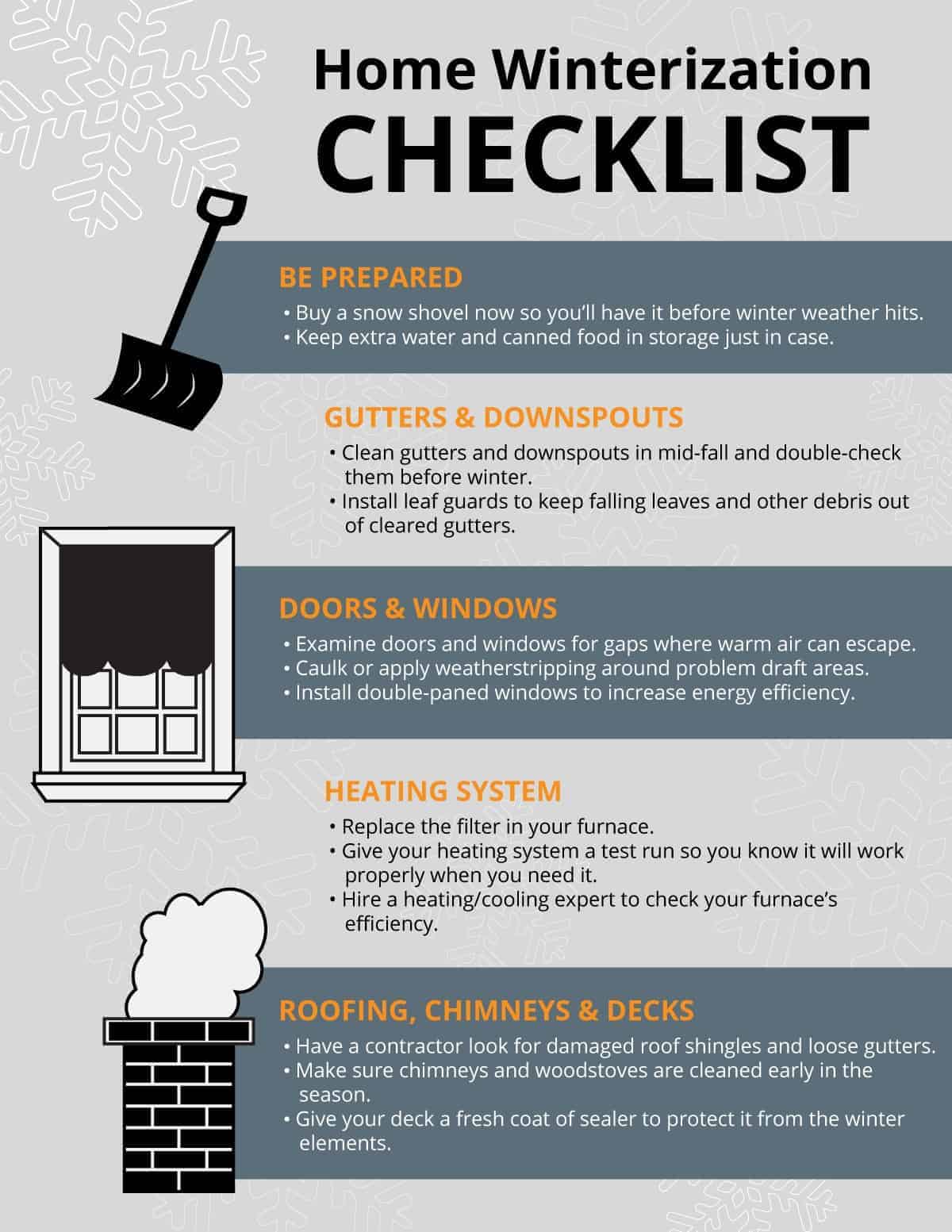
Infiltration of cold air from air leaks around doors and windows is a significant contributor to your heating bill. An easy way to reduce your bill is to minimize these drafts with simple weatherstripping.
Windows –
• Inspect the outside moldings: Look around windows for damaged or missing caulking. Use a good quality exterior caulk to seal any gaps you find.
• Check old windows: Windows with traditional glazing putty holding the glass panes in the frames might have seen the putty crack and fall out. Reglaze any windows that have missing glazing putty.
• Inspect window tracks: Clean the tracks of any debris that might be interfering with seals.
• Inspect the locking mechanisms: Make sure they work adequately. You will want to lock them securely once winter sets in.
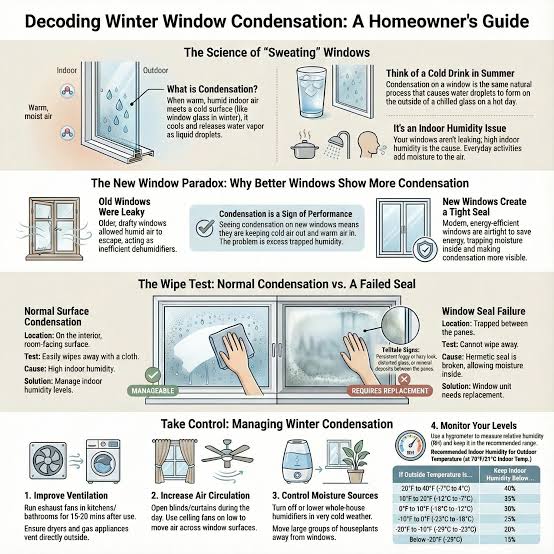
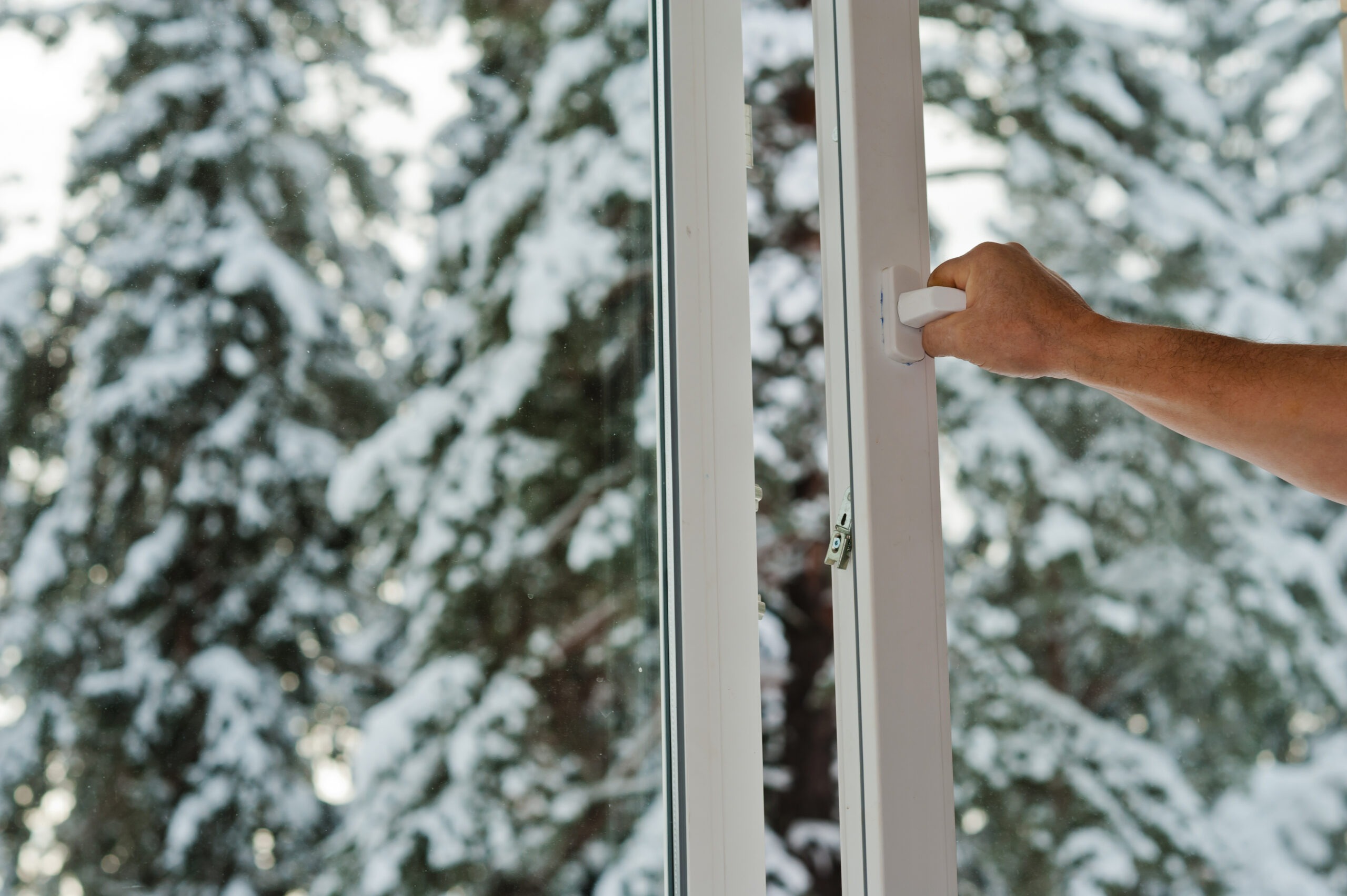
• Check for air leaks: On a day when it’s windy outside, close your windows and feel for air leaks. Typically, leaks will be found at the edges where the window is hinged, slides, or meets another unit. You can tape plastic over windows to seal them, but this can be expensive and rather unattractive. A better and easier solution is to use inexpensive rope caulk to seal leaks. Press the rope to caulk into all the joints where the air is leaking.
Doors –
• Inspect caulking: Look around the outside moldings of door frames, and add new exterior-grade caulking if necessary.
• Inspect and replace any failed weatherstripping: Check the weatherstripping around doors, including the door sweep attached to the bottom of the door.
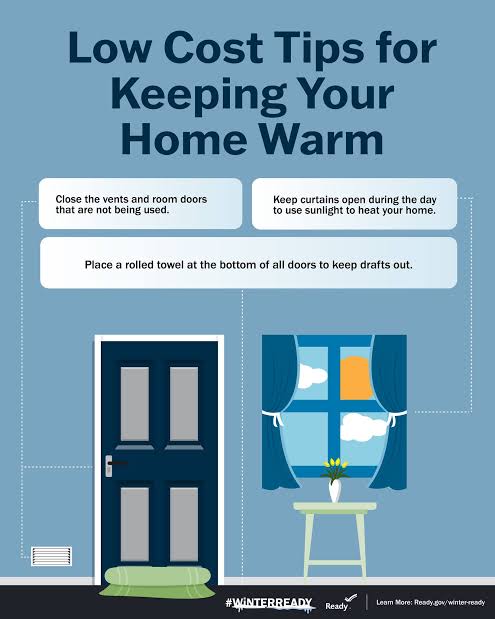
• Check for air leaks: Feel around doors for air coming in, and use rope caulk where applicable to seal gaps.
Performing these simple tasks can help save you a few dollars and help keep you home nice and warm. Stay Safe and Stay Warm.