To stay safe this Thanksgiving, watch the stove closely, cook food thoroughly, and plan for travel. Thanksgiving is the peak day of the year for home cooking fires, so a few precautions go a long way.
Kitchen and Fire Safety
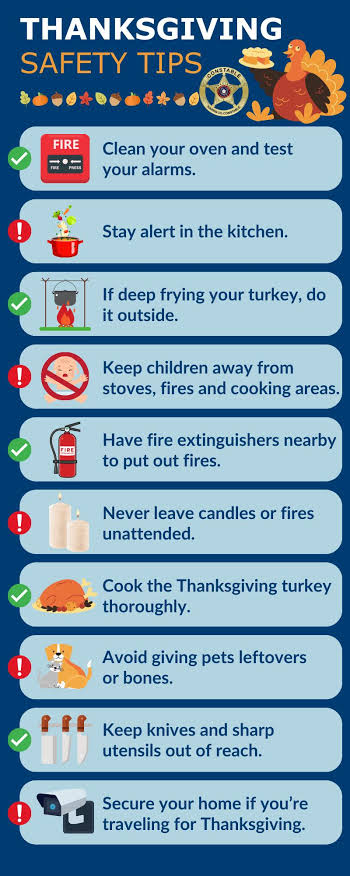
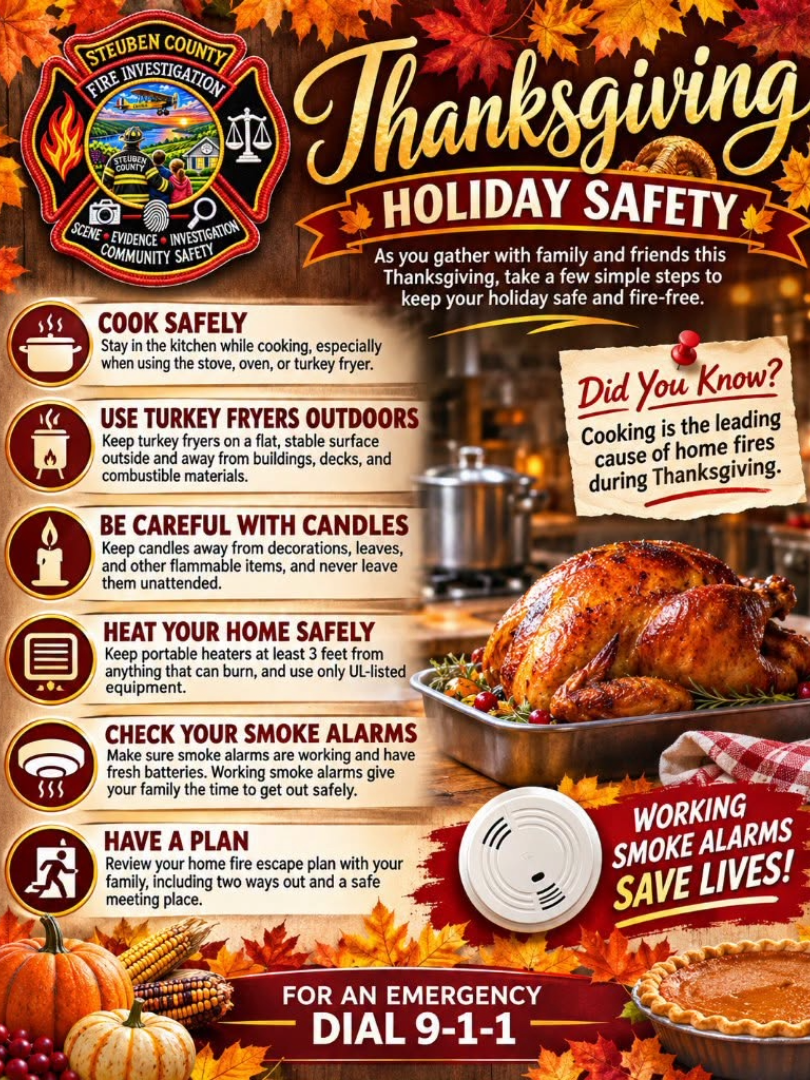
- Stay in the kitchen: Never leave food unattended on the stove and turn off burners if you step away. Set timers to avoid overcooking.
- Create a 3-foot safety zone: Keep kids and pets at least three feet away from stoves, ovens, and hot liquids. Turn pot handles inward and keep knives out of reach.
- Clear flammables: Keep dish towels, oven mitts, packaging, and loose or dangling sleeves away from heat sources.
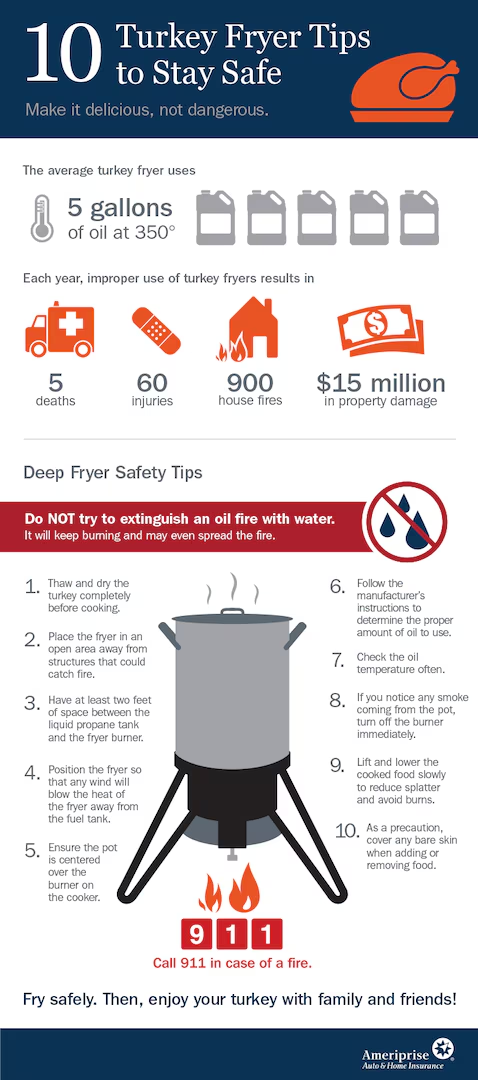
- Handle grease fires safely: Never put water on a grease fire. Smother small flames by sliding a lid or sheet pan over the pot and turning off the heat or use a proper fire extinguisher.
- Use caution with turkey fryers: Keep outdoor fryers on a flat, stable surface far from buildings, garages, and decks. Only fry turkeys that are completely thawed and dry.
- Check alarms: Test smoke alarms before hosting and blow out candles before going to bed or leaving the room.
Fire officials share practical demonstrations on preventing cooking and turkey fryer hazards:

2:15
Thanksgiving Safety Tips
1.3K views · 16 hours ago

YouTube · FOX 2 St. Louis
Food and Guest Safety
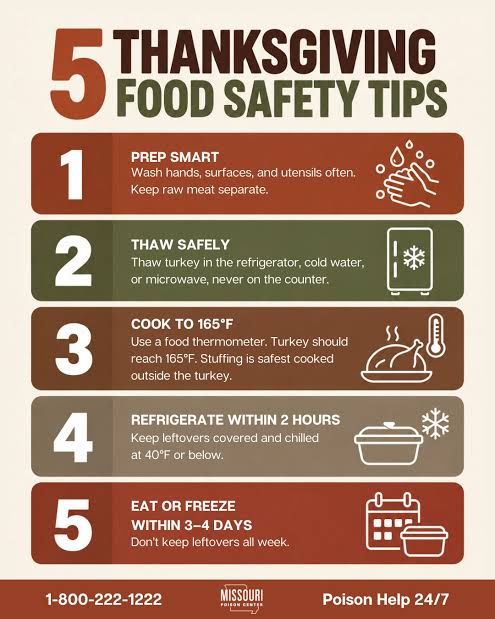
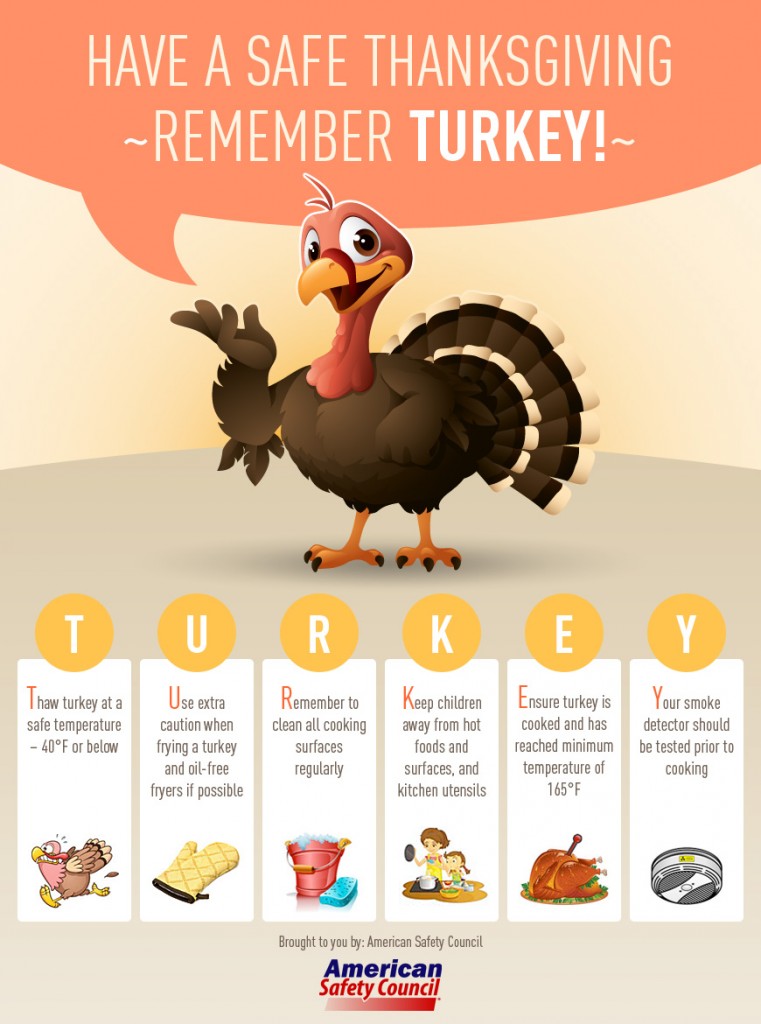
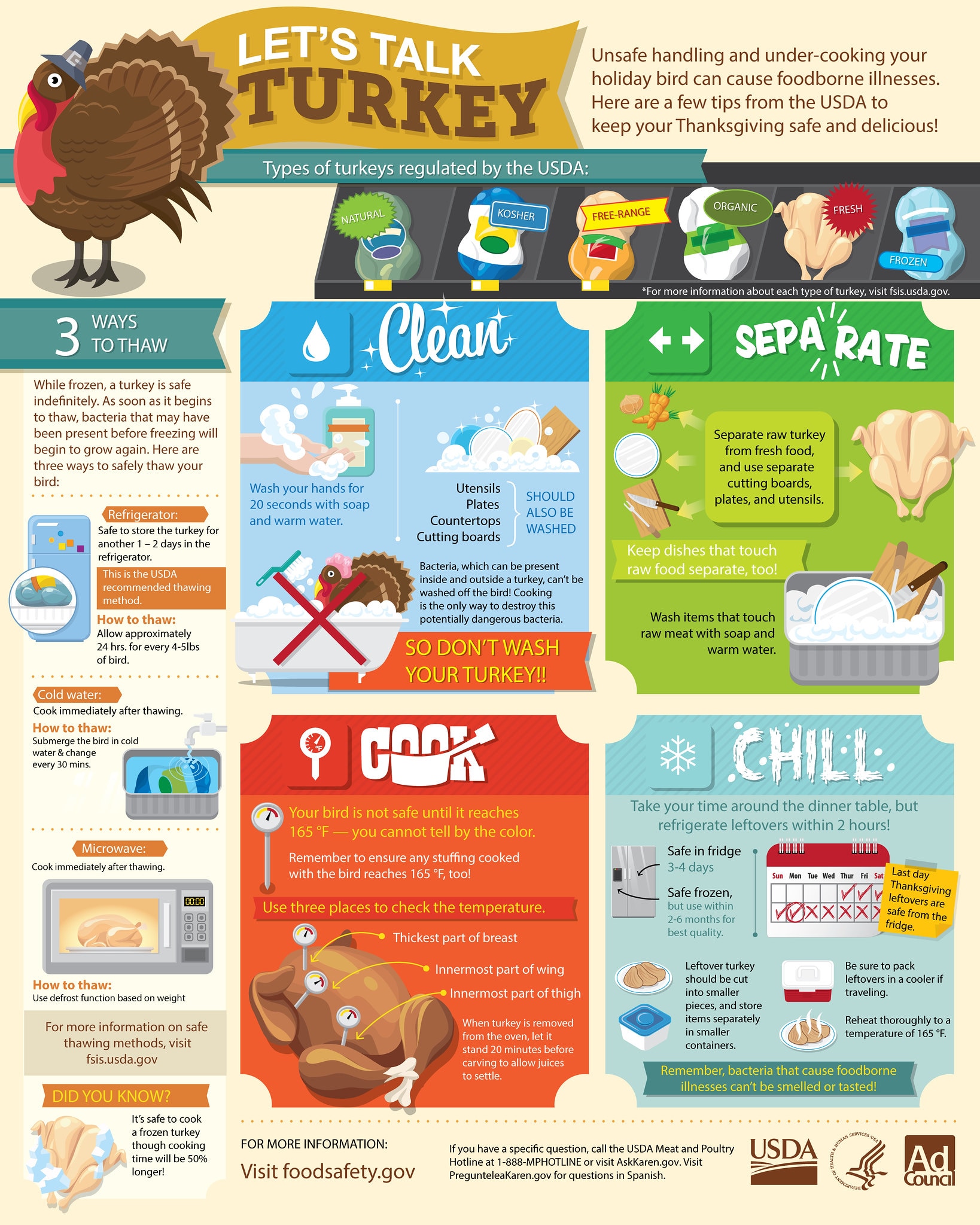
- Cook and thaw safely: Thaw frozen turkeys in the refrigerator, cold water, or microwave—never on the counter. Cook poultry to a safe internal temperature of 165°F.
- Prevent cross-contamination: Wash hands with soap and water for 20 seconds, keep raw turkey separate from other foods, and avoid washing raw poultry to prevent splashing bacteria.
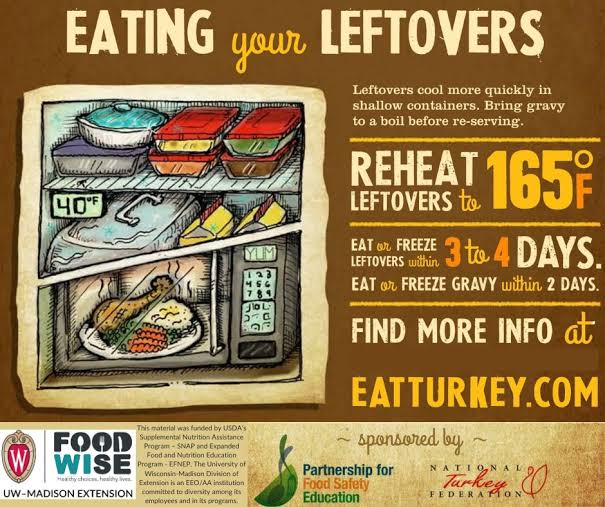
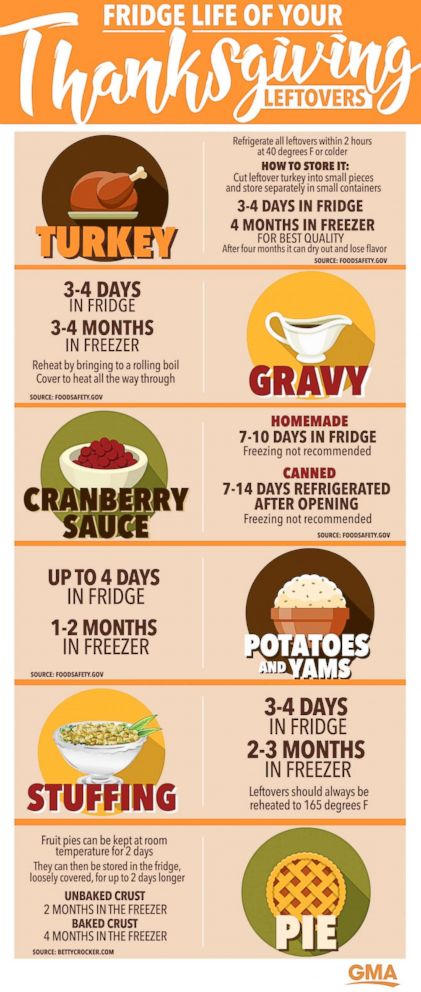
- Store leftovers promptly: Refrigerate leftovers within 2 hours in shallow containers and toss unused leftovers after 3 to 4 days.
- Watch out for allergies and pets: Ask guests about food allergies, and avoid feeding rich table scraps, bones, or unsafe foods to pets.
Travel and Health
- Drive sober and buckled: Never drive impaired, wear your seatbelt, allow extra travel time, and watch for fatigue or bad weather.
- Pace food, drinks, and illness: Heavy meals and alcohol can strain your body or trigger heart rhythm issues, and staying home when sick helps protect others.
For more detailed checklists, see the NFPA Thanksgiving safety tips, the American Red Cross holiday safety guidance, or Weekly Safety’s Thanksgiving safety guide.